

Table of Contents
- What Makes Durable Home Storage Solutions Worth the Investment
- Best Materials for Long-Lasting Home Organization
- Closet Organization Systems That Hold Up Over Time
- How to Organize a Pantry with Durable Containers
- Space-Saving Storage Ideas for Small Apartments
- Drawer Organizers and Under-Sink Storage for Daily Use
- Maintenance and Cleaning Guides to Extend Storage Life
- Conclusion
Last Updated: August 18, 2026
What Makes Durable Home Storage Solutions Worth the Investment
Clutter wastes mental energy. Every misplaced item, overflowing drawer, and stuck cabinet adds friction to your daily routine. Durable home storage solutions are systems designed to keep your life organized long-term, not just for a month before everything collapses back into chaos.
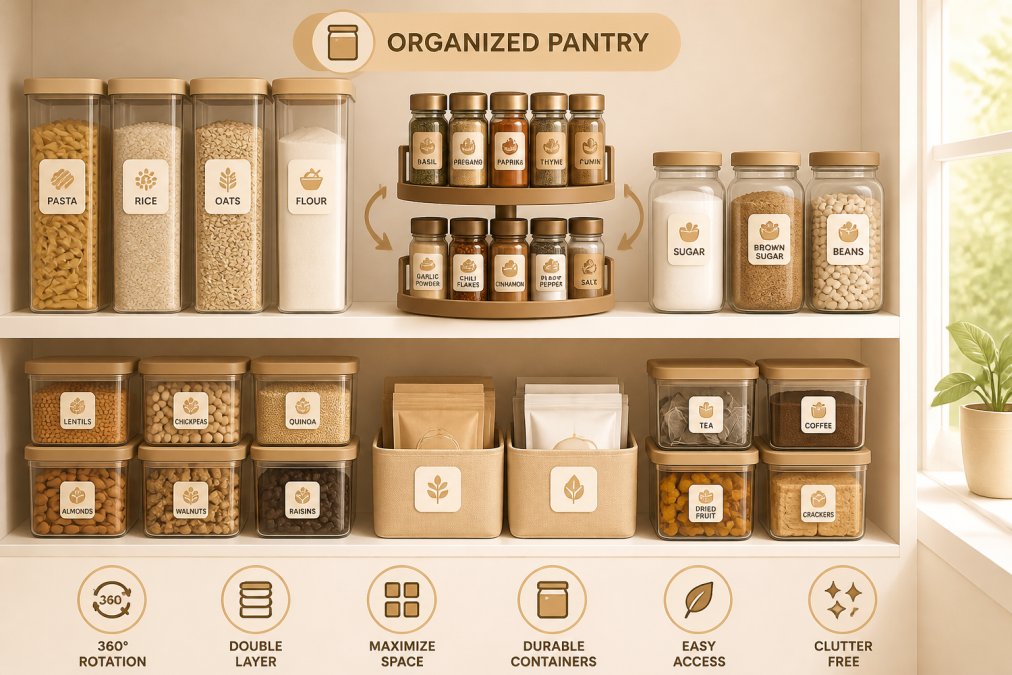
The difference between cheap storage and durable solutions is simple: quality materials, thoughtful design, and proper construction mean your organizers survive years of daily use. A flimsy bin works for one season. A well-built system handles weight, constant opening and closing, temperature changes, and real-world household demands.
At The Reset Aisle, we've found that three factors separate storage that lasts from storage that fails: material quality, structural integrity, and thoughtful design for actual use cases. When you invest in durable home storage solutions, you're buying peace of mind and systems that support your lifestyle instead of fighting against it.
This guide covers everything you need to know to choose storage that actually works.
Best Materials for Long-Lasting Home Organization
Not all storage materials are created equal. The materials you choose determine whether your organizers last five years or five months.
Heavy-duty plastic remains the most practical choice for most home storage. Quality plastic, reinforced with internal supports and UV-resistant additives, won't crack under weight or degrade in sunlight. Look for products with a substantial feel when you hold them. The Fabric Drawer Organizers for Socks & Underwear from The Reset Aisle use premium polyester blends with internal supports that keep their shape through years of daily use without sagging or collapsing.

Metal frames with plastic baskets offer the best combination of strength and practicality. Metal handles structural load; plastic provides accessibility and visibility. The Under Sink Organizer with Sliding Shelves ($34.99) uses a sturdy metal structure paired with plastic storage baskets, creating a system that supports heavy cleaning supplies without bending or warping.
Solid wood works for visible storage in living spaces but requires maintenance. Wood absorbs moisture, expands and contracts with humidity, and can warp over time if not properly sealed. For pantries and kitchens with humidity fluctuations, plastic or metal alternatives are more reliable.
Fabric organizers (polyester blends with reinforced stitching) suit drawer storage and closet use where items won't be exposed to moisture or extreme weight. Meticulous stitching means the organizer maintains its structure through constant use.
Choose the material that matches your environment and usage pattern, and your storage will outlast your patience for organizing.
Closet Organization Systems That Hold Up Over Time
A closet system only works if it survives constant opening, closing, and rearranging that real life demands.
Space-saving hangers make the biggest impact. The Space Saving Pant Hanger ($19.99) uses 10 strong clips to hold multiple pairs without slipping or dropping them. This design works because it addresses the actual problem: pants consume disproportionate closet rod space while remaining difficult to access when stacked traditionally. Quality clips maintain tension through hundreds of open-and-close cycles.

Shelving systems need load-bearing capacity that matches your actual storage weight. A shelf rated for 20 pounds fails when you load it with 30 pounds of sweaters and jeans. Quality closet organizers clearly state weight capacity because the manufacturer tested the system. Vague claims signal that capacity wasn't verified.
Vertical storage maximizes closet space while keeping items visible and accessible. Tiered shelves, stackable bins, and wall-mounted organizers all follow this principle. The advantage is seeing what you own so you use more of your wardrobe instead of rewearing the same items.
The durability question for closet systems comes down to whether the system accommodates real use. If it requires perfect organization to function, it will fail. If it works even when slightly messy, it survives long-term.
How to Organize a Pantry with Durable Containers
Pantry organization fails when containers don't fit your shelf spacing or when they degrade from humidity and temperature changes.
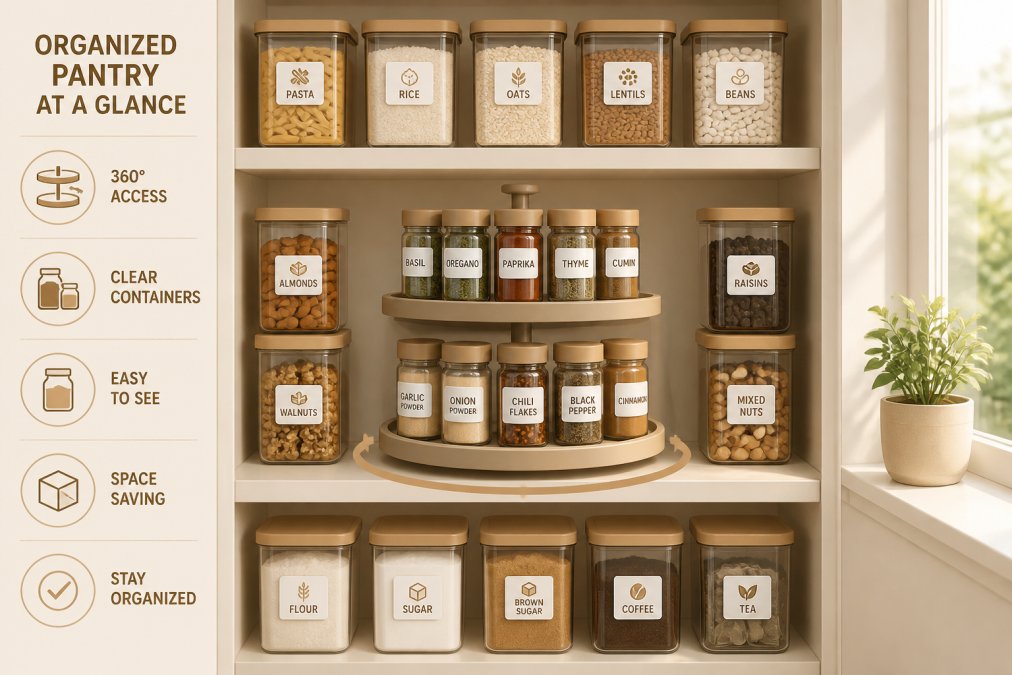
The first step is measuring your shelf spacing and depth. Many pantries have shelves 8 inches apart or oddly-shaped corners. Your containers need to fit these constraints. If your shelves are 8 inches apart, you need containers under 8 inches tall.
Rotating systems like the Double-Layer Rotating Spice Rack ($24.99) solve the accessibility problem. A rotating rack brings everything within arm's reach instead of requiring you to reach to the back of the shelf. This reduces pressure on your system because accessibility prevents knocking over containers while searching.
Clear containers beat opaque ones for pantry use. You can see what's inside, how much remains, and when you're running low. This visibility reduces waste and improves organization adherence.
Material durability in pantry storage means resistance to moisture and temperature changes. Quality containers maintain their shape and integrity across temperature ranges. Stack-friendly containers with wide, stable bases and interlocking design features prevent tipping.
Space-Saving Storage Ideas for Small Apartments
Small apartments demand ruthless efficiency. Every inch of storage matters.
Vertical storage is non-negotiable in small spaces. Wall-mounted shelving, stackable bins, and tiered organizers all use height instead of floor space. Quality wall anchors hold weight reliably for years.
Under-bed storage transforms wasted space into functional storage. Containers that fit under standard beds keep seasonal items and infrequently-used belongings accessible but out of sight. Containers need wheels that roll smoothly and withstand repeated sliding.
Multi-clip hangers like the Space Saving Pant Hanger multiply closet capacity without requiring additional square footage. In a small apartment, this single product might add the equivalent of an extra closet's worth of storage capacity.
Corner storage activates wasted area. Rotating organizers and corner shelving systems work in overlooked spaces, though you should verify that corners actually improve accessibility rather than just hiding items further.
Drawer dividers and compartmentalization prevent small spaces from becoming chaotic. The Fabric Drawer Organizers ($22.99) transform a messy junk drawer into a functional system. Organized small spaces feel larger than disorganized large spaces.
Drawer Organizers and Under-Sink Storage for Daily Use
Drawers and under-sink spaces see constant use and need organizers that survive daily opening, closing, and rummaging.
Drawer organizers fail when they're too rigid or don't accommodate the items you actually store. The Fabric Drawer Organizers ($22.99) excel because they're designed for multiple item types, socks, underwear, bras, ties, scarves, and other small personal items. High-quality stitching ensures the organizers maintain their shape through years of daily use.
Under-sink storage faces unique challenges: moisture, cleaning chemicals, and irregular shelf spacing. The Under Sink Organizer with Sliding Shelves ($34.99) addresses these challenges. The sliding shelves create accessibility, and the metal structure resists corrosion from moisture and cleaning products.

Visibility matters in drawer and under-sink storage. If you can't see what's inside, you lose track of what you own and duplicate purchases accumulate. Clear containers or organizers with visibility windows solve this problem.
The durability of daily-use organizers comes down to whether they reduce friction in your routine. If they make finding items easier, you use them consistently and they last.
Maintenance and Cleaning Guides to Extend Storage Life
Durable storage doesn't mean maintenance-free. Proper care extends the life of your organizers significantly.
Plastic organizers need regular wiping to prevent dust accumulation and discoloration. Use a damp cloth with mild soap; harsh chemicals can degrade plastic. Avoid bleach unless the organizer is specifically rated for it. This simple maintenance prevents yellowing and brittleness.
Metal components need occasional checks for rust or corrosion, especially in high-moisture environments. Wipe metal frames dry after cleaning. Address rust immediately with a metal cleaner or fine steel wool.
Fabric organizers require different care. Vacuum to remove dust without wetting the fabric. For stains, spot-clean with mild soap and water. Allow fabric organizers to air dry completely before returning items.
Sliding mechanisms need periodic lubrication to remain smooth. A silicone-based lubricant works better than oil-based products. Light lubrication every six months keeps slides operating smoothly.
Weight distribution matters for longevity. Don't overload organizers beyond their rated capacity. Overloading causes permanent deformation and structural failure.
Seasonal maintenance prevents deterioration. Before storing seasonal items, clean the organizers and ensure they're completely dry. Check organizers before each season to catch any damage early.
| Organizer Type | Cleaning Method | Frequency | Maintenance Check |
|---|---|---|---|
| Plastic containers | Damp cloth with mild soap | Monthly | Check for cracks or discoloration |
| Metal frames | Dry after cleaning, check for rust | Monthly | Wipe dry, address rust immediately |
| Fabric organizers | Vacuum, spot-clean stains | As needed | Air dry completely, check seams |
| Sliding shelves | Wipe clean, light silicone lubrication | Every 6 months | Test smooth operation |
| Clips and fasteners | Dust, check tightness | Quarterly | Tighten loose fasteners |
Choosing durable home storage solutions online means investing in systems that actually solve your organization problems long-term. The Reset Aisle offers a curated selection designed specifically for this purpose. Products like the Space Saving Pant Hanger, Fabric Drawer Organizers, Under Sink Organizer with Sliding Shelves, and Double-Layer Rotating Spice Rack combine quality materials, thoughtful design, and proven durability. They're built to handle real life, kids, pets, seasonal changes, and daily chaos. Start Your Reset by choosing organizers that match your actual spaces and needs, then maintain them properly. Your organized home will thank you.
Frequently Asked Questions
What materials make home storage solutions the most durable?
High-quality plastic with reinforced metal frames, heavy-duty polyester blends, and rust-proof hardware offer the best longevity. Look for storage solutions with sturdy internal supports that maintain their shape under weight. Materials like polypropylene plastic resist cracking and fading, while metal components should be powder-coated or stainless steel to prevent rust. Durable home storage solutions combine these materials to withstand daily use for years without degrading or losing functionality.
How do I choose the right size storage bins for my closet?
Measure your available space first, accounting for shelf depth and height. Consider what you're storing, folded items need less depth than hanging garments. For small spaces, modular and stackable bins maximize vertical storage without consuming floor space. Test the load-bearing capacity by checking weight limits on product specifications. A space-saving pant hanger that holds 40 pairs, for example, uses just one rod slot while reclaiming significant closet real estate. Match bin dimensions to your actual shelf spacing to eliminate wasted gaps.
Are plastic or fabric storage solutions better for long-term organization?
Both work well when chosen for the right application. Heavy-duty plastic bins with metal frames excel under sinks and in damp areas because they resist moisture and are easy to clean. Fabric drawer organizers with reinforced stitching work better inside closets and drawers because they're lightweight, collapsible when not in use, and allow air circulation. Fabric organizers designed for socks, underwear, and small items feature compartmentalization that prevents items from shifting. Choose based on your environment: plastic for wet areas, quality fabric for dry storage where space matters.
What should I look for when buying home storage solutions online?
Check the weight capacity and load-bearing specifications to ensure products handle your items. Read product descriptions for material composition, stitching quality, and durability claims backed by customer feedback. Look for customizable, modular designs that adapt to your space rather than one-size-fits-all systems. Verify installation requirements, some solutions are free-standing while others need wall mounting. Review return policies in case products don't fit your awkward shelf spacing or slanted ceilings. Prioritize brands offering customer satisfaction guarantees and responsive support.
This article was written using GrandRanker