

Table of Contents
- Why Stackable Pantry Bins Work for Apartment Living
- Clear Acrylic Stackable Bins: Maximum Visibility
- Wire Mesh Stackable Bins: Durable and Accessible
- Modular Drawer-Style Bins: Easy-Access Organization
- Small Pantry Organization Ideas Using Stackable Bins
- How to Organize a Kitchen Without a Pantry
- Measuring and Installing Stackable Bins in Your Apartment
- Rental-Friendly Installation and Weight Capacity
Last Updated: August 17, 2026
Why Stackable Pantry Bins Work for Apartment Living
Living in an apartment means making every inch count. Unlike houses with dedicated pantries, apartments force you to get creative with kitchen cabinets, under-sink storage, and awkward corner shelves. This is where stackable pantry bins become essential, they transform wasted vertical space into organized, accessible storage that actually works for your lifestyle.
Stackable pantry bins solve the core problem of apartment living: limited square footage. By stacking bins vertically instead of spreading items across multiple shelves, you reclaim valuable real estate. More importantly, they keep dry goods visible and contained, which prevents the chaos that happens when boxes of cereal, pasta, and crackers scatter across shelves and fall behind other items.
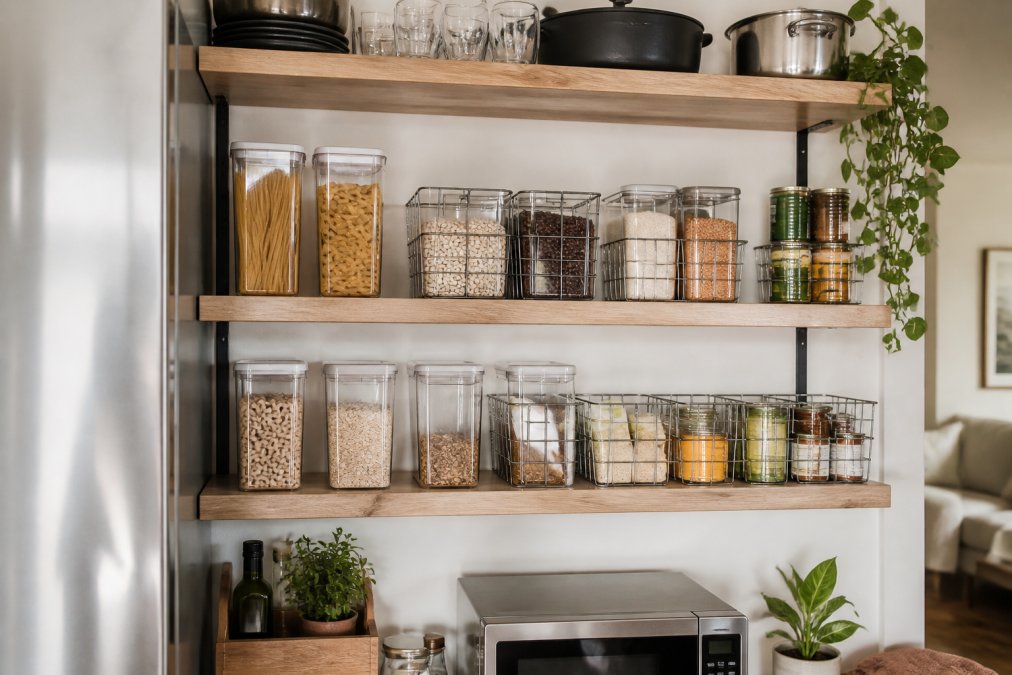
The Reset Aisle approach to pantry organization focuses on making your existing space work harder. Rather than buying more furniture or renovating, stackable pantry bins let you optimize what you already have. They're modular, meaning you can adjust your setup as your needs change, add bins when you stock up, remove them when you downsize.
What most people miss is that stackable bins also solve a psychological problem. When your pantry is chaotic, you either overbuy (because you can't see what you have) or forget about items you purchased. Organized bins mean you actually use what you buy, which saves money and reduces food waste. The visibility factor alone changes how you shop and cook.
Clear Acrylic Stackable Bins: Maximum Visibility
Clear acrylic bins are the gold standard for apartment pantries because they eliminate guesswork. You see exactly what's inside without opening containers, which matters when you're standing in the grocery store deciding whether you need more flour or rice.
The primary advantage is visibility combined with durability. Clear acrylic won't yellow over time like some plastics, and it resists staining from spice dust or flour residue. These bins stack securely without wobbling, and the smooth surfaces make them easy to wipe clean. For apartments where shelf space is premium, clear acrylic stackable bins maximize your ability to see and access items quickly.
Setup typically takes minutes, no assembly required. You fill them, stack them, and label them. The one drawback is that acrylic can scratch if you're rough with them, though the scratches don't affect functionality. What matters more is that clear bins let you maintain visual control over your pantry inventory, which is half the battle in small spaces.
The Reset Aisle curates stackable pantry bins designed specifically for apartment storage, where every product choice matters. Clear acrylic options work best for frequently accessed items like breakfast cereals, baking supplies, and snacks, anything you reach for multiple times a week.
Wire Mesh Stackable Bins: Durable and Accessible
Wire mesh bins take a different approach. Instead of solid sides, the open mesh design lets air circulate while still containing items. This matters more than it sounds, especially in humid climates where moisture can accumulate in sealed containers.
Wire mesh bins are also more forgiving if you're rough with storage. They won't crack or shatter, and they're lighter than acrylic, making them easier to move around when you're reorganizing. The open design means you can see items from the side without opening the bin, though not as clearly as with transparent acrylic. For items like canned goods, boxed pasta, or bulk snacks, this trade-off works fine.
Accessibility is where wire mesh excels. The open sides and tops make it easier to reach items, especially for people with limited mobility or arthritis. You don't need to lift a heavy lid or slide items out of a tight space. This is why wire mesh stackable bins are often recommended for elderly residents or anyone who struggles with fine motor control.
What most guides miss is that wire mesh bins are easier to clean. You can rinse them under running water without worrying about water getting trapped inside sealed containers. For pantries that deal with spills or occasional pest issues, this advantage matters.
Modular Drawer-Style Bins: Easy-Access Organization
Drawer-style stackable bins combine the benefits of both approaches. They're partially enclosed with a pull-out drawer mechanism, giving you easy access without the full visibility of clear acrylic or the open exposure of wire mesh. This hybrid design works well for apartments where you want organized storage without constantly opening containers.
The drawer mechanism means you can access items from the front without disturbing everything behind them. Stack three drawer-style bins vertically, and you have three separate storage zones that don't interfere with each other. This is particularly useful for organizing different food categories, one drawer for breakfast items, one for baking supplies, one for snacks.
Installation is straightforward, and the drawer slides are typically smooth enough that they won't jam after repeated use. The main consideration is depth, drawer-style bins take up more vertical space than traditional stackable options, so measure your cabinet height before purchasing. In apartments with standard 36-inch cabinet heights, you might fit two drawer-style bins per shelf instead of three clear acrylic bins.
What works well is using drawer-style bins for items you access daily. The ease of pulling out a drawer beats reaching into the back of a deep bin. For less-frequently accessed items (backup supplies, seasonal ingredients), clear acrylic or wire mesh bins are more space-efficient.
Small Pantry Organization Ideas Using Stackable Bins
Organizing a small pantry requires a strategy beyond just buying bins. Start by categorizing everything: breakfast items, baking supplies, canned goods, snacks, spices, and oils. This prevents the chaos of random items scattered across shelves.
Next, think vertically. In a small apartment pantry, horizontal space is limited, but vertical space often goes unused. Stack bins from shelf to near-ceiling height, but leave clearance so you can see and reach items comfortably. The goal is to use every inch without creating a storage puzzle that's impossible to navigate.
Label everything clearly. This sounds basic, but it's the difference between an organized pantry that stays organized and one that devolves into chaos within a month. Use a label maker or write clearly on labels. Include not just the item name but the purchase date for perishables. This prevents buying duplicates and helps you rotate stock properly.
Group by frequency of use. Items you access daily should be at eye level in easy-to-reach bins. Weekly items can be slightly higher or lower. Backup supplies and seasonal ingredients can go to the top shelf or back of the pantry. This layout reduces the time you spend searching for things.
Consider using bins within bins for smaller items. Spices, tea bags, and seasoning packets get lost in large bins. Use small drawer organizers or smaller stackable bins inside larger ones to create compartments. This keeps small items visible and prevents them from disappearing into the depths of a large container.
The Reset Aisle approach emphasizes working with what you have. Before buying new bins, audit your existing pantry. You might already own containers that can be repurposed or stacked more efficiently. Often the real problem isn't the number of items, it's that they're not organized systematically.
How to Organize a Kitchen Without a Pantry
Apartments without dedicated pantries require creative solutions. Your options are kitchen cabinets, under-sink storage, and sometimes a small closet or hallway cabinet. Each space has different constraints, and stackable pantry bins solve these differently.
Start with upper kitchen cabinets. These are typically deeper than they are tall, which makes them perfect for stackable bins. Place your most-used items in the front bin and less-frequent items behind. The stacking design means you're not wasting vertical space with just one layer of items.
Under-sink cabinets are trickier because pipes take up space and moisture accumulates. Use stackable bins here only for non-perishable items that don't mind humidity. Keep cleaning supplies separate from food items for safety. Wire mesh bins work better under sinks than sealed acrylic because airflow prevents moisture buildup.
Corner cabinets are notoriously hard to use. A stackable bin system can help here too. Place a bin that fits the corner space, and you've suddenly made an awkward area functional. Some apartments have corner cabinets that waste space because items get lost in the back. Bins with handles make it easier to pull out the entire container and see what's inside.
If you have a hallway closet or pantry-adjacent storage, that becomes your primary pantry space. Dedicate one shelf or section to food storage and use stackable bins to maximize that area. Keep it cool and dry, avoid storing food near water heaters or direct sunlight, which can degrade packaging and reduce shelf life.
For really tight spaces, consider using stackable bins that double as serving containers. Some designs work in the pantry and on the countertop, giving you flexibility. This matters in apartments where kitchen counter space is premium and you need storage that can transition between hidden and visible.
Measuring and Installing Stackable Bins in Your Apartment
Before buying any stackable pantry bins, measure your available space precisely. This single step prevents the frustration of ordering bins that don't fit. Measure the width, depth, and height of each shelf or cabinet where you plan to place bins. Write these numbers down, don't rely on memory.
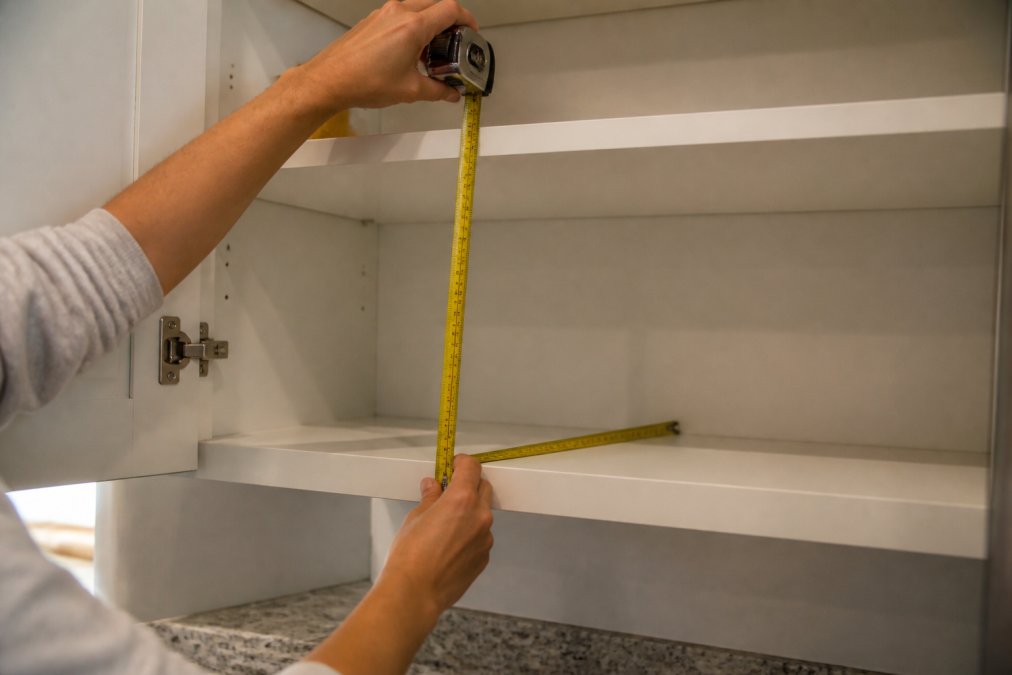
Check for obstructions. Apartment cabinets often have shelves that aren't perfectly level, or pipes that run behind them. Look for electrical outlets, water lines, or ventilation ducts that might interfere with bin placement. Some apartments have cabinet dividers or supports that limit where bins can sit.
Measure the height of items you plan to store. If you're stacking cereal boxes, measure the tallest box and ensure your bin height accommodates it with a little clearance. The same applies to canned goods, pasta boxes, or whatever your primary storage items are. A bin that's too shallow defeats the purpose.
Consider weight distribution. Stackable bins filled with canned goods or flour get heavy. Check your cabinet's weight capacity if it's mentioned in your lease or apartment documentation. Most apartment cabinets handle standard storage, but if you're stacking multiple heavy bins, distribute weight across the shelf rather than concentrating it in one area.
Installation is typically simple, bins sit on shelves without fastening. However, if you have small children or pets, you might want to secure bins with non-damaging adhesive strips or brackets. This prevents bins from sliding or tipping when items are removed. Rental-friendly options like adhesive strips work better than drilling or permanent installation in apartments.
Label your bins before or immediately after installation. This takes five minutes and saves hours of confusion later. Use a label maker for a professional look, or write clearly with a permanent marker. Include what's inside and, for perishables, the purchase date.
Test your setup by filling one bin and seeing how it works. Does it slide smoothly on the shelf? Can you reach items easily? Is the bin stable when partially full? These small tests reveal problems before you've organized your entire pantry.
Rental-Friendly Installation and Weight Capacity
Apartments come with restrictions. You can't drill holes, paint cabinets, or make permanent changes. This limits installation options for stackable pantry bins, but the good news is that most bins don't require installation, they sit freely on shelves.
Non-damaging adhesive strips can secure bins if you're concerned about stability. These strips stick to the bin and the shelf without leaving residue when removed. They work well for wire mesh bins and lighter acrylic options. For heavier bins filled with canned goods, test the adhesive's weight rating before relying on it.
Tension rods can stabilize stacked bins by preventing them from sliding sideways. Install a tension rod horizontally across the shelf in front of your bins. This creates a barrier that keeps bins from moving without requiring any permanent installation. It's a common rental-friendly hack that works surprisingly well.
Weight capacity varies by bin material and shelf type. Clear acrylic bins are lighter than wire mesh, but filled acrylic becomes heavy. A single shelf can typically handle 25-50 pounds of storage, depending on the cabinet. Distribute weight across multiple shelves rather than loading one shelf with all your canned goods.
Check your lease before installing anything. Most landlords allow free-standing storage solutions that don't damage walls or cabinets. Adhesive strips, tension rods, and stackable bins all fall into this category. Avoid drilling, screwing, or permanently modifying cabinet structure.
When you move out, removal should be simple. Bins lift out, adhesive strips peel off cleanly, and tension rods come down. This makes stackable pantry bins ideal for apartment living where you might relocate within a few years.
Apartment pantry organization doesn't require major renovations or expensive systems. Stackable pantry bins from The Reset Aisle solve the core problem of small-space storage by maximizing vertical space while keeping items visible and accessible. Whether you choose clear acrylic for maximum visibility, wire mesh for durability, or drawer-style bins for easy access, the key is selecting bins that fit your cabinet dimensions and match your usage patterns. Start with one shelf, measure carefully, and expand your system as you refine what works. Your pantry will stay organized longer when you use bins designed for apartment constraints rather than fighting against your space limitations.
Frequently Asked Questions
How do you organize a pantry in a small apartment?
Start by measuring your shelf dimensions and choosing stackable pantry bins that fit your exact space. Use clear bins for frequently accessed items so you can see contents at a glance, and label everything. Stack bins vertically to maximize height, group similar items together (grains, snacks, baking supplies), and use drawer-style bins for easy access to items you reach for daily. Rotate stock regularly and maintain an inventory list to prevent chaos from returning.
Are clear or opaque stackable bins better for pantries?
Clear bins work best for most apartments because they let you see contents without opening them, reducing food waste and helping you remember what you have. However, opaque bins work better if you prefer a minimalist look or want to hide visual clutter. Many people use a combination: clear bins for dry goods you use often, opaque bins for backup stock or items you access less frequently. The best choice depends on your space constraints and how much shelf visibility matters to your organization system.
What makes stackable pantry bins worth the investment compared to cheaper alternatives?
Quality stackable bins offer better weight capacity, non-slip bases that prevent sliding, and durable construction that lasts years of daily use. Cheaper options often warp, crack, or lose their structural integrity within months, especially in busy households. The right bins also nest efficiently, saving space when not in use, and work with your existing shelving without gaps or wasted space. Since apartment storage is limited, investing in bins that actually fit your dimensions and handle weight properly prevents the frustration of failed organization attempts.
Can stackable bins be used on open shelving in apartments?
Yes, stackable bins work well on open shelving and can actually reduce visual clutter by containing items and creating clean lines. Use clear bins so the shelves still feel open and airy, and ensure your bins have non-slip bases to prevent sliding on smooth shelves. Drawer-style bins with handles also work on open shelving and provide easy access. Just make sure the weight capacity of your shelving supports the stacked bins when filled, especially for heavier items like canned goods or bulk dry goods.
This article was written using GrandRanker