

Table of Contents
- What Makes Stackable Bins Work in Small Spaces
- Space-Saving Storage Ideas for Small Apartments
- How to Organize a Small Pantry with Bins
- Clear Stackable Bins with Lids: Visibility vs. Protection
- Load-Bearing Capacity and Weight Distribution
- Accessibility and Ergonomics for Daily Use
- Durability and Long-Term Material Performance
- Conclusion
Last Updated: August 29, 2026
What Makes Stackable Bins Work in Small Spaces
Stackable bins for small spaces solve a fundamental problem: how to store more without expanding your footprint. Unlike traditional storage, stackable designs multiply your vertical real estate instead of consuming floor space. The key is understanding that stacking isn't just about piling containers on top of each other, it's about creating a stable, accessible system that actually works when you need something buried three bins deep.
The most effective stackable bins share three core traits. First, they feature interlocking mechanisms or flat, level surfaces that prevent shifting. Second, they're sized to fit standard shelving heights and closet dimensions without wasting clearance. Third, they use materials that won't degrade under the weight of stacked contents over months or years.
At The Reset Aisle, we offer curated organization solutions for specific home areas, focusing on practical, space-saving solutions for pantries, closets, and drawers. The difference between a system that lasts and one that collapses into frustration comes down to load-bearing capacity, material durability, and how thoughtfully the bins are designed for actual daily use, not just Instagram aesthetics.
Space-Saving Storage Ideas for Small Apartments
Small apartments demand ruthless prioritization. Every cubic inch matters, which is why vertical storage becomes your best ally. The most overlooked opportunity is the space between shelves. Standard kitchen shelving often leaves 8-12 inches between shelves, creating a dead zone that stackable bins can reclaim (nkba.org).
Start by measuring your actual clearance. Many people assume their shelves are standard height, then buy bins that don't fit. Measure twice, buy once. If you have 10 inches of vertical space, you need bins that stack to exactly 9 inches or less, not 10.5 inches that looks fine until you try to close the door.
Under-bed storage represents massive untapped potential in apartments. Flat, stackable bins slide under bed frames and store seasonal items, extra linens, or off-season clothing. The trick is choosing bins with wheels or a low-friction base so you're not wrestling with friction every time you need access. Bins without proper bases create frustration that leads to abandonment.
Closet corners and awkward angles are where most small-space storage fails. Standard rectangular bins leave gaps. Look for modular designs that allow you to mix sizes, pair two smaller bins with one larger one to fill the same footprint without wasted space. This approach also makes it easier to access what you actually use frequently without disturbing everything else.
Door-mounted organizers extend storage vertically on surfaces you already have. Pair these with stackable bins inside the closet, and you've created a three-dimensional system instead of a flat one. The result is roughly 40% more usable storage in the same square footage.
How to Organize a Small Pantry with Bins
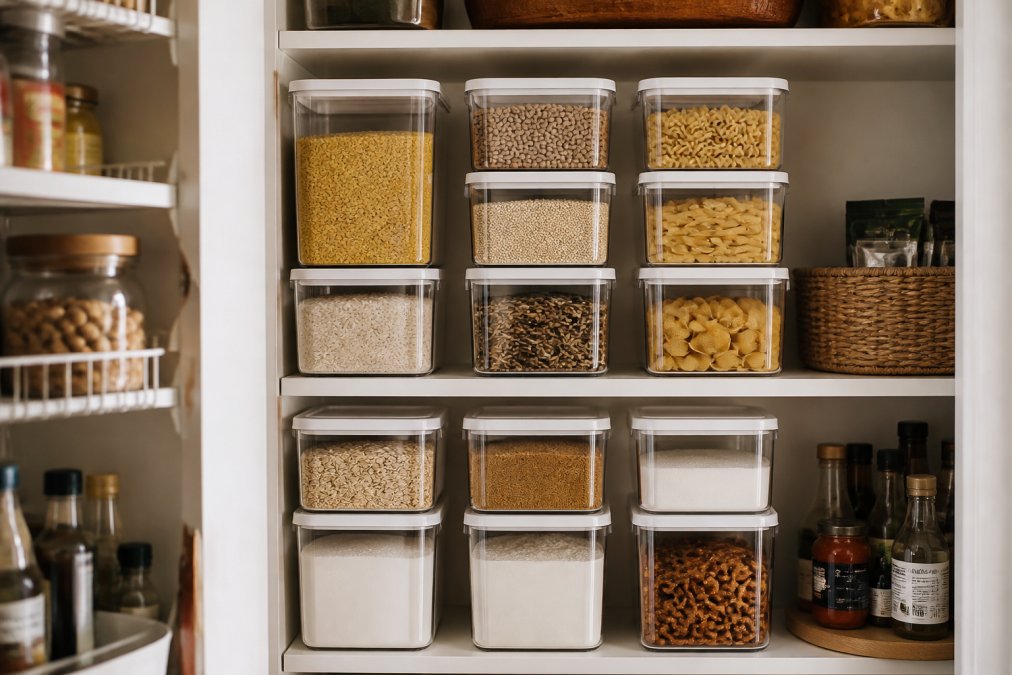
A small pantry becomes functional when you group items by use, not by category. Instead of "snacks," think "breakfast items I grab in the morning" and "snacks for kids' lunchboxes." This mental shift changes how you arrange bins and makes the system stick long-term.
Start with the most-used items at eye level. Bins containing breakfast cereals, coffee, and tea should be at shoulder height for adults, slightly lower if children access them regularly. Items used weekly go on the second shelf. Seasonal or occasional items go higher or lower.
Stackable bins work best in pantries when you use clear or semi-transparent containers for dry goods. You'll see what's inside without opening every bin, which saves time and prevents duplicate purchases. Label the front of each bin clearly, not the top, which you can't read when bins are stacked.
Deep pantries create accessibility problems. If your shelves are deeper than 12 inches, stackable bins in the back become invisible and forgotten. Use two-tier stacking strategically: place shorter bins in front, taller ones in back, so you can see everything at a glance. This prevents the common mistake of buying duplicates because you forgot what's already there.
The Under Sink Organizer with Sliding Shelves from The Reset Aisle ($34.99) applies the same principle to cabinet storage. It maximizes vertical space under sinks by creating multiple shelf levels, turning wasted cabinet depth into organized zones for cleaning supplies and household items. This approach works equally well in pantries with cabinet storage.

Weight distribution matters in pantries more than other spaces because shelves have load limits. Heavy items like canned goods should go on lower shelves, lighter items higher. Stackable bins make this easier because you can distribute weight evenly across multiple bins rather than creating one heavy column.
Clear Stackable Bins with Lids: Visibility vs. Protection
The choice between clear and opaque stackable bins isn't aesthetic, it's functional. Clear containers let you see contents at a glance, which reduces duplicate purchases and helps you find things faster. Opaque bins protect contents from light exposure, which matters for items sensitive to UV damage or for spaces where appearance matters more than quick visibility.
Clear stackable bins with lids solve a specific problem: they protect contents from dust and moisture while maintaining visibility. This matters most in kitchens and bathrooms where humidity fluctuates. Airtight seals on lids prevent moisture from degrading contents over time, particularly important in small spaces with poor ventilation.
The trade-off is accessibility. Lids take time to remove and replace. In high-traffic areas like pantries, this friction leads people to stop using the system properly. Items end up stored loosely because the lid is annoying. Choose lids for storage that's accessed occasionally (seasonal items, backup supplies). Skip lids for daily-use storage.
Moisture resistance becomes critical in small, poorly ventilated spaces. Polypropylene bins resist moisture better than cardboard or fabric alternatives (peer-reviewed research). In humid climates or bathrooms, polypropylene's durability prevents the material degradation that leads to bins warping or developing mold over 12-18 months. This long-term performance difference justifies the higher upfront cost.
Clear bins also create a psychological benefit. When you can see what you have, you use items before they expire and avoid waste. Visibility can increase consumption of stored items, which means less spoilage and better value from your purchases.
Load-Bearing Capacity and Weight Distribution
This is where many small-space storage systems fail. Stackable bins have weight limits that vary dramatically by material and design. A bin rated for 25 pounds per unit can safely hold three stacked bins at 75 pounds total, but only if the weight is distributed evenly across the bottom bin's footprint (astm.org).
Understand the difference between static load capacity and dynamic load capacity. Static capacity is how much weight a bin can hold sitting still. Dynamic capacity accounts for the stress of removing and replacing items, which creates shifting forces. A bin rated for 50 pounds static might only safely handle 30 pounds dynamic. Check specifications carefully.
The footprint-to-weight ratio determines stability. A bin with a small footprint and high weight capacity is more prone to tipping than one with a larger base. In small spaces, you're often stacking bins in tight areas where tipping becomes a real risk. Wider, lower bins are more stable than tall, narrow ones, even if they hold the same weight.
Uneven weight distribution causes the most problems. Filling one side of a bin heavier than the other creates stress on the corners and can crack the plastic over time. This is especially true for bins made from thinner polypropylene. Distribute heavy items evenly across the bin's base, and avoid loading one corner with concentrated weight.
Shelving that supports stackable bins must also be rated for the total weight. A shelf rated for 30 pounds can't safely hold three stackable bins weighing 25 pounds each, even if the bins themselves are rated for stacking. Check your shelving specifications before committing to a stacking strategy.
Accessibility and Ergonomics for Daily Use
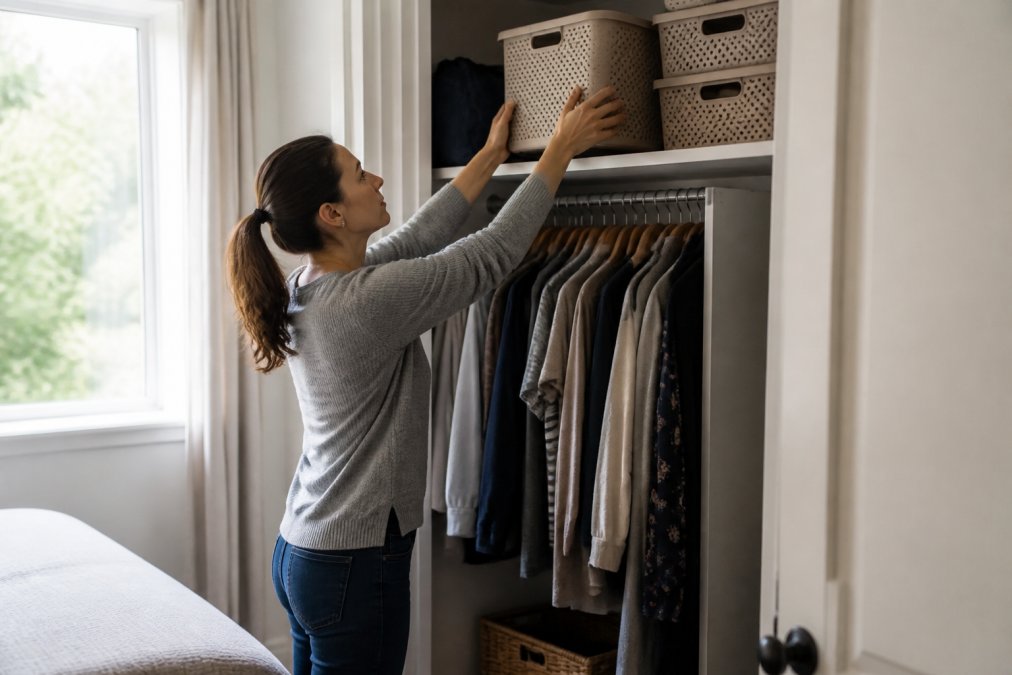
Small spaces force compromises, but accessibility shouldn't be one of them. The best stackable bins for small spaces are ones you'll actually use consistently, which means they need to be reachable without strain or frustration.
The "golden zone" for storage is between shoulder and waist height. Items stored here require minimal bending, reaching, or stretching. In small spaces, this zone fills up fast. Prioritize it for items you access multiple times per week. Everything else goes higher or lower, accepting that those items will be accessed less frequently.
Elderly users or those with mobility limitations need stackable bins with handles that are easy to grip. Many bins have shallow handles designed for aesthetic appeal rather than actual usability. Look for bins with handles deep enough to fit your full hand, not just fingers. This matters more in small spaces where you're reaching into tight areas.
Weight per bin matters more than total capacity. A bin that holds 30 pounds is useless if you can't lift it safely. For accessible storage, aim for bins that weigh 15 pounds or less when full. This requires choosing smaller bins or being selective about what goes inside, but the trade-off is a system you'll maintain long-term.
Sliding bins reduce friction and strain. Bins on wheels or with a smooth base can be pulled out with one hand, making access to items at the back of shelves feasible. In small spaces where you can't easily step back to access deep storage, sliding becomes essential.
Label placement affects usability. Labels on the front of bins are readable when bins are stacked. Labels on top are invisible once bins are stacked. In small spaces where stacking is inevitable, front labels prevent the frustration of not knowing what's inside without pulling the bin out.
Durability and Long-Term Material Performance
Polypropylene is the standard material for stackable bins because it balances durability, cost, and weight. But not all polypropylene is equal. Thicker material (typically 0.8mm or more) resists cracking better than thin plastic. In small spaces where bins are handled frequently and stacked under pressure, material thickness determines whether your system lasts 2 years or 5.
UV exposure degrades plastic over time, particularly in spaces with direct sunlight. Small apartments with large windows or pantries with bright overhead lighting create conditions for faster degradation. Bins stored in these spaces may become brittle and crack more easily. Choose bins designed for indoor use in spaces with sunlight, and consider opaque bins to slow degradation.
Humidity in small, poorly ventilated spaces creates a different problem. Moisture doesn't damage polypropylene directly, but it encourages mold growth on bin surfaces and contents. Bins with airtight seals resist this better than open-top designs. In bathrooms or kitchens with poor ventilation, sealed bins extend the lifespan of both the bin and its contents.
Stacking stress accumulates over time. A bin that's stable when new may develop micro-cracks at stress points, typically where the base meets the walls and where handles attach. These cracks don't fail immediately, but they weaken the structure. Cheaper bins may start to fail after regular stacking and unstacking. Better-quality bins with reinforced corners and thicker walls maintain integrity for longer.
The Fabric Drawer Organizers from The Reset Aisle ($22.99) represent a different approach. These are designed for items that don't require rigid structure, like socks, underwear, or small accessories. The high-quality polyester and internal supports provide durability without the brittleness of plastic. For small bedroom storage, fabric organizers often outperform plastic bins because they're lighter, more flexible, and less prone to stress cracking.

Test material quality before committing to a full system. Buy one or two bins, use them for a month, and assess how they handle the specific conditions of your space. If they're holding up well, scale the system. If they're showing signs of stress, choose a different brand or material before investing in a dozen bins.
Small-space storage doesn't require expensive renovations or complex systems. The right stackable bins, chosen for load capacity, material durability, and accessibility, transform chaotic closets and pantries into organized, functional spaces. Start with The Reset Aisle's curated selection of space-saving organizers. Our Under Sink Organizer with Sliding Shelves and Fabric Drawer Organizers are designed specifically for small spaces, with features like proper weight distribution, durable materials, and ergonomic access. Begin your reset today and experience how intentional storage brings calm to your home.
Frequently Asked Questions
Q: What size stackable bins work best for small spaces?
A: Measure your available space first, then choose bins that fit your height and depth constraints. For small apartments, bins under 15 inches tall and 12-18 inches wide maximize vertical stacking without exceeding typical ceiling clearance. Rectangular bins fit shelves more efficiently than square ones. Consider your actual items, clothes need different depths than pantry goods. Start with one bin size to simplify stacking stability and ensure uniform load distribution across shelves.
Q: Are clear stackable bins with lids better than opaque ones for small space organization?
A: Clear bins let you see contents without opening them, reducing search time in cramped spaces. Opaque bins hide visual clutter, which some people find calming. For pantries and closets, clear bins with lids work best, you get visibility plus protection from dust and moisture. In bedrooms or living areas where aesthetics matter, opaque bins maintain a minimalist look. Choose based on your priority: quick access (clear) or visual peace (opaque). Lids are essential in small, unventilated spaces to prevent moisture buildup and material degradation.
Q: How do I prevent stackable bins from becoming unstable in a small closet?
A: Use interlocking mechanisms if your bins offer them, these connect one bin to another, preventing shifting. Stack no more than three or four bins high unless the manufacturer specifies higher capacity. Place heavier items in lower bins to lower the center of gravity. Ensure each bin sits flat on a level surface; uneven closet floors cause tipping. If your closet has slanted ceilings or odd dimensions, measure vertical clearance carefully and test stability before stacking fully. Avoid overloading upper bins, weight distribution matters more in confined spaces.
Q: What materials last longest for stackable bins in small, unventilated spaces?
A: Polypropylene bins resist moisture and temperature changes better than thin plastic in enclosed closets or under-bed storage. Look for heavy-duty construction with reinforced seams and solid bottoms that won't warp under stacked weight. Avoid thin, flexible plastic that degrades faster in humid, dark environments. Check product descriptions for UV resistance if bins will sit near windows. Quality bins from trusted manufacturers can offer long-term durability, while budget alternatives may degrade faster in small spaces where air circulation is limited.
This article was written using GrandRanker